
Utah Trip Planning: The 3 Most-Googled Questions (And the Answers That Make You Want to Go Now)
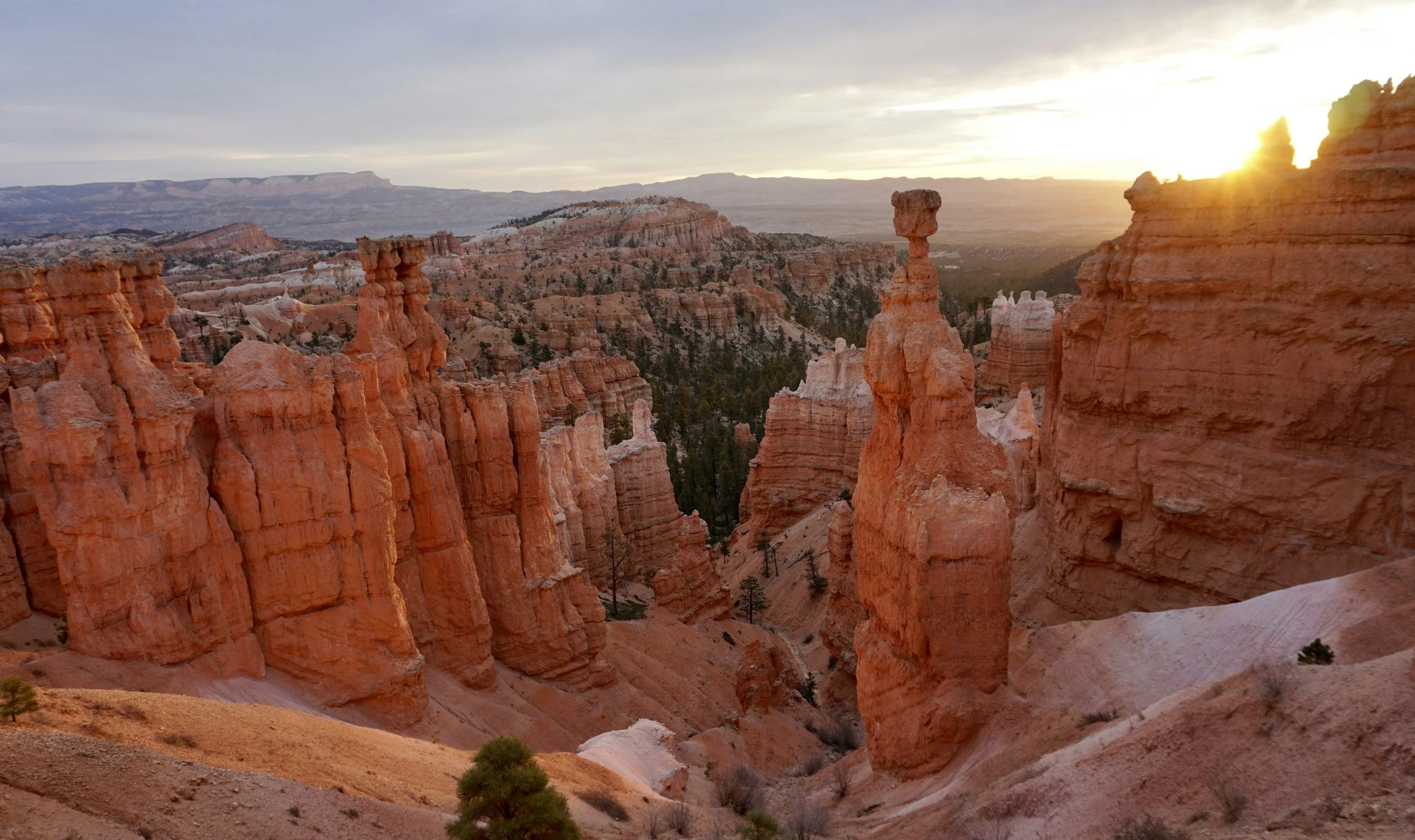
Utah doesn’t just “have” scenery—it has the kind that makes you pull over every ten minutes, convinced the next view can’t possibly get better (and then it does). But planning a Utah vacation can feel surprisingly tricky: the parks are spread out, the seasons can flip the experience, and the “best” choices depend on what you’re chasing—crowd-free hikes, perfect weather, or iconic viewpoints at golden hour. Before you start booking anything, here are the top three questions people search when planning a trip to Utah—and the answers that make the trip click.
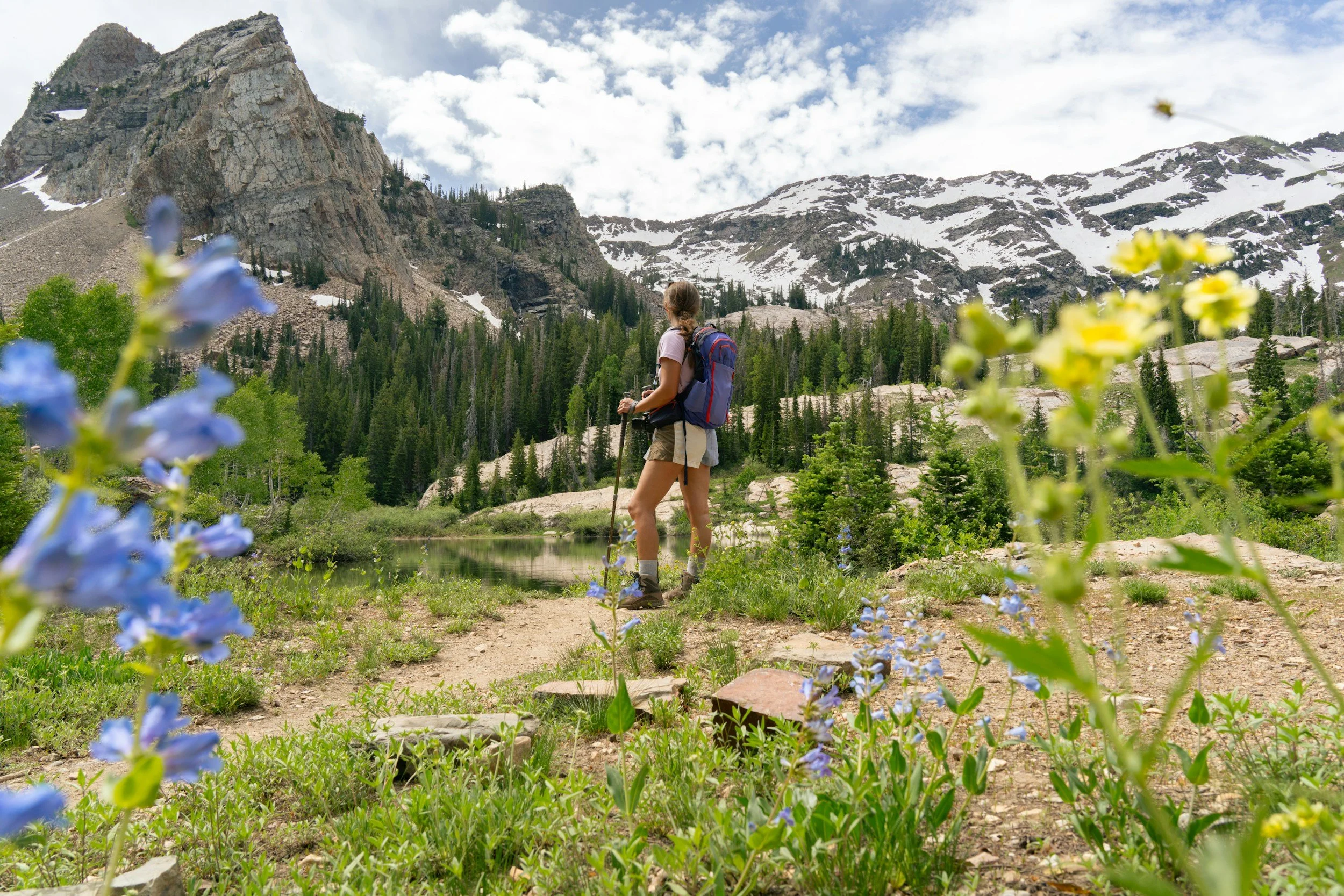
What’s the best time to visit Utah?
This is the #1 Utah travel question for a reason—timing completely changes the experience. Spring and fall are the sweet spots for Zion, Bryce Canyon, Arches, and Canyonlands: cooler hikes, clearer skies, and fewer “why is it 100°F?” moments. Summer brings long days (and big crowds), while winter quietly turns places like Bryce into a surreal snow-dusted wonderland—beautiful, but with road conditions and closures to watch. The twist: the “best” time depends on what you want—wildflowers and waterfalls, empty trails, or that iconic red-rock glow at golden hour without the heat haze.
How many days do I need to see Utah’s national parks?
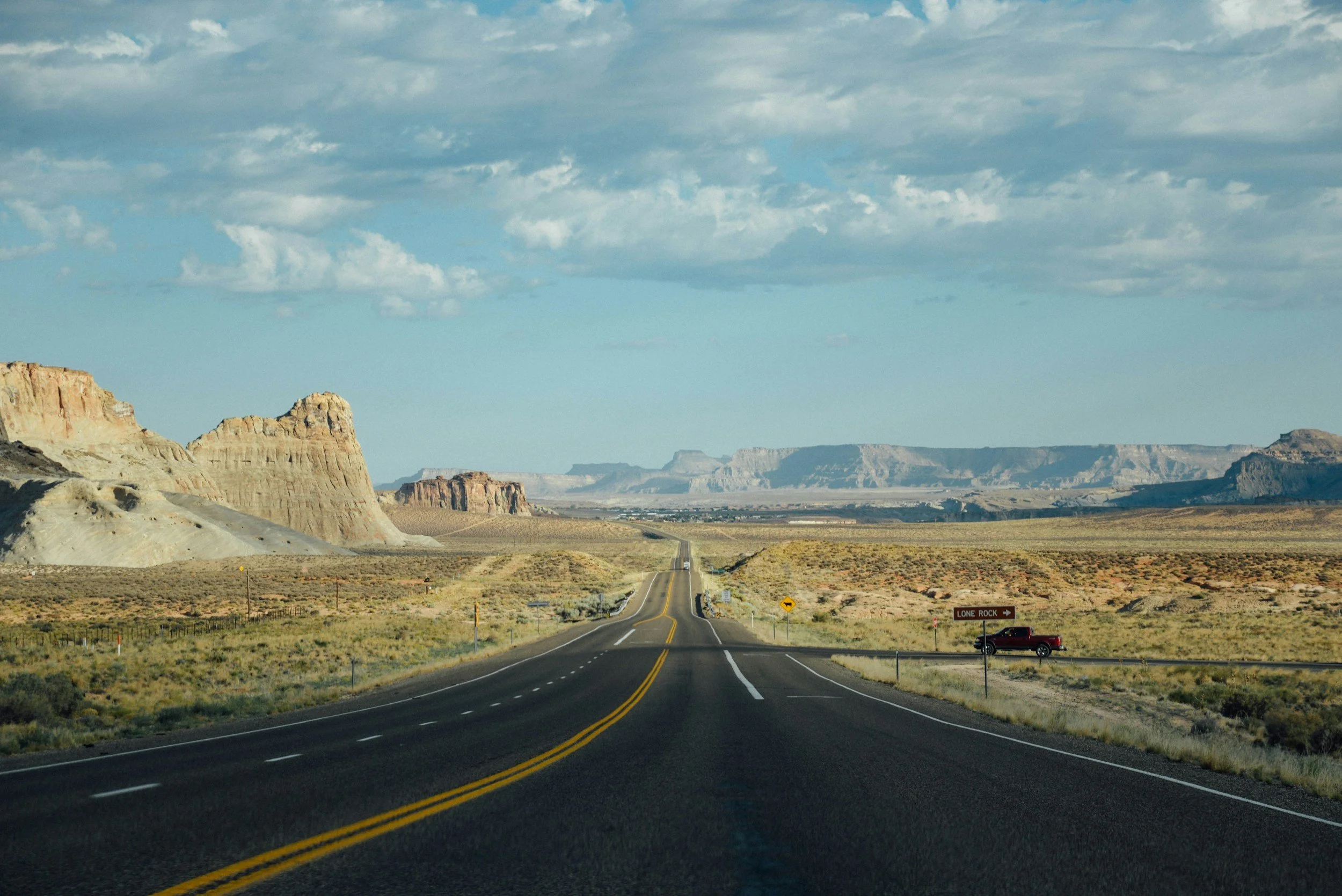
People dream of “doing Utah” in a weekend—then realize the distance between jaw-dropping viewpoints is measured in hours, not minutes. If you’re aiming for the Mighty 5 (Zion, Bryce, Capitol Reef, Arches, Canyonlands), a week is the minimum that feels satisfying, while 10–14 days lets you slow down and actually explore beyond the parking-lot overlooks. Here’s the curiosity hook most visitors miss: the best Utah moments often happen between the parks—scenic highways, hidden slot canyons, and small towns where the night sky looks unreal.
Where should I stay in Utah—what’s the best home base?
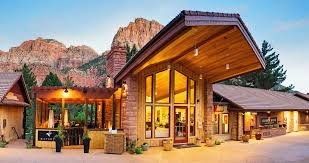
This question explodes because lodging can make or break your trip—especially in peak season when rooms vanish fast and prices jump. Springdale is the go-to for Zion access, Moab is the classic base for Arches and Canyonlands, and Bryce Canyon City/Tropic helps you catch sunrise without a pre-dawn drive. But the real strategy is mixing bases: one “convenience” stop near the big parks and one “escape” stop in quieter areas for stargazing, scenic drives, and uncrowded trails. The surprise? Sometimes the best stay isn’t closest—it’s where you can actually breathe.
Planning Utah isn’t just picking parks—it’s choosing *when*, *how long*, and *where to sleep* so your trip feels epic instead of rushed. Answer those three questions first, and Utah stops being a checklist and turns into an adventure you’ll talk about for years. Ready to stop guessing and start planning? Grab our free 7-day Utah itinerary—a done-for-you route with can’t-miss stops, smart drive times, and the best places to catch sunrise, sunset, and stargazing without feeling rushed.