
Angels Landing: Guide to Zion's Most Iconic Hike
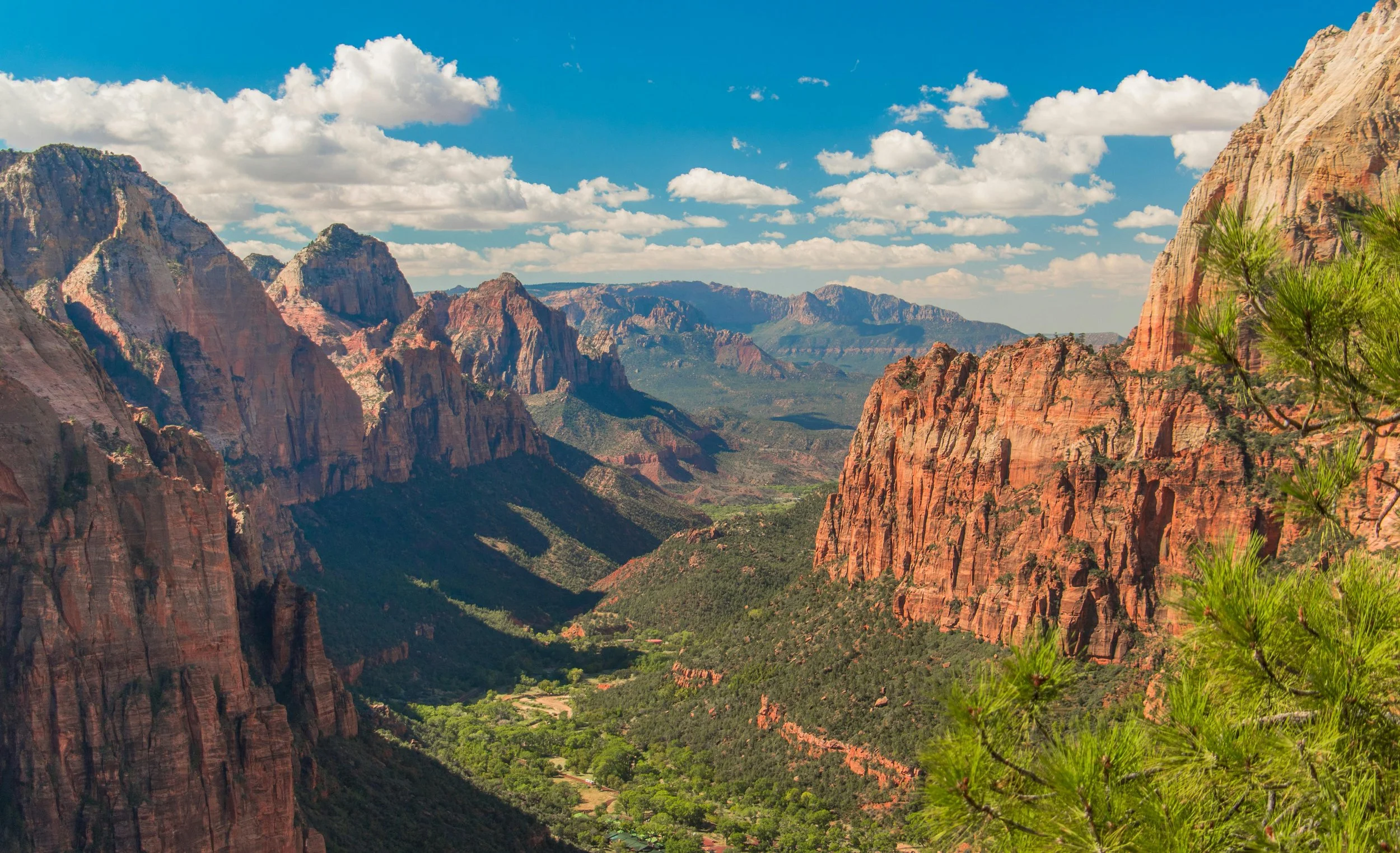
Everything you need to know before tackling one of America's most thrilling hikes
Angels Landing is one of the most exhilarating hikes in America's national park system. This 5.4-mile trail culminates in a white-knuckle climb along a narrow ridge with 1,000-foot drop-offs on both sides—aided only by chains bolted into rock.
Trail Stats
Distance: 5.4 miles round-trip
Elevation Gain: 1,488 feet
Time: 4-5 hours round-trip
Difficulty: Strenuous
Exposure: Extreme on final section
Permit: REQUIRED (since 2022)
Getting a Permit
You MUST have a permit to hike beyond Scout Lookout.
Option 1: Seasonal Lottery (Plan Ahead)
Timeline:
Opens 1st of month for following month
Application window: 1st-7th
Results: Mid-month
Process:
Visit recreation.gov
Search "Angels Landing Permits"
Select date
Pay $6 application fee (non-refundable)
If selected, pay $3 per person permit fee
Success Rates:
Peak season (Apr-Oct): 10-20%
Shoulder season (Nov-Mar): 30-50%
Tips:
Apply for multiple dates
Choose weekdays over weekends
Consider less popular months
Option 2: Day-Before Lottery
Timeline:
Opens 12:00 PM MT day before hike
Closes 3:00 PM MT
Results: 4:00-6:00 PM
Only 30% of permits available
Process: Apply noon-3 PM at recreation.gov, $6 per person.
Important Permit Rules
Date-specific (not transferable)
Valid 6:00 AM - 7:00 PM
Maximum 6 people per permit
Must carry permit on hike
Rangers check at Scout Lookout
No permit? Scout Lookout offers spectacular views without chains—still a challenging, rewarding hike.
The Trail Breakdown
Trailhead to Refrigerator Canyon (1.5 miles)
Paved switchbacks from The Grotto (Stop 6)
Moderate climbing, good warmup
Start early (6-7 AM in summer)
Refrigerator Canyon (0.5 miles)
Shaded, cool, narrow canyon
Brief flat section before serious climbing
Last chance to catch breath
Walter's Wiggles (0.5 miles)
21 steep, relentless switchbacks
Where trail earns "strenuous" rating
Pace yourself, take breaks
If completely winded here, reconsider chains
Scout Lookout (Mile 2.5)
Permit checkpoint
Last restroom
Decision point: continue or turn back
Phenomenal views—perfectly respectable endpoint
30-40% of hikers stop here
The Chains Section (0.2 miles)
1,000-foot drop-offs both sides
Narrow ridge (2-3 feet wide in spots)
Chains provide handholds
Requires scrambling, using hands
Two-way traffic on single-file sections
What to Expect:
Looking left: 1,000-foot drop
Looking right: 1,000-foot drop
Looking down: Don't
Slickrock can be slippery
Wind gusts are real
Essential Gear
Must Bring:
2-3 liters water per person
Salty snacks (electrolytes)
Sturdy hiking boots (grippy soles)
Sun protection (hat, sunscreen, sunglasses)
First aid kit
Headlamp (if starting early)
Permit (physical or digital)
Don't Bring:
Trekking poles (nuisance on chains)
Heavy backpack
Flip-flops or sandals
Optional:
Lightweight gloves for chains
Camera/phone with wrist strap
Safety First
Before You Go:
Check weather forecast
Assess fitness honestly
Get good sleep
Eat substantial breakfast
Tell someone your plans
During the Hike:
Maintain 3 points of contact on chains
Face rock on steep descents
Don't rush—slow and steady
Stay hydrated and fueled
Know your limits
Turning Back is Smart:
If terrified going up, descending is worse
Fear is your brain protecting you
No shame in stopping at Scout Lookout
Always better safe than sorry
Most accidents happen descending—stay alert!
Descent Tips
Slower than ascent
Face mountain on steep sections
Use chains even if you skipped them ascending
Watch footing (tired legs make mistakes)
Don't get complacent near the endx
The experience of standing on that summit, 1,500 feet above the canyon floor, with Zion's majesty in every direction—it's genuinely life-changing.