
Why Fall Is the Smart Season to Book Your Utah Trip
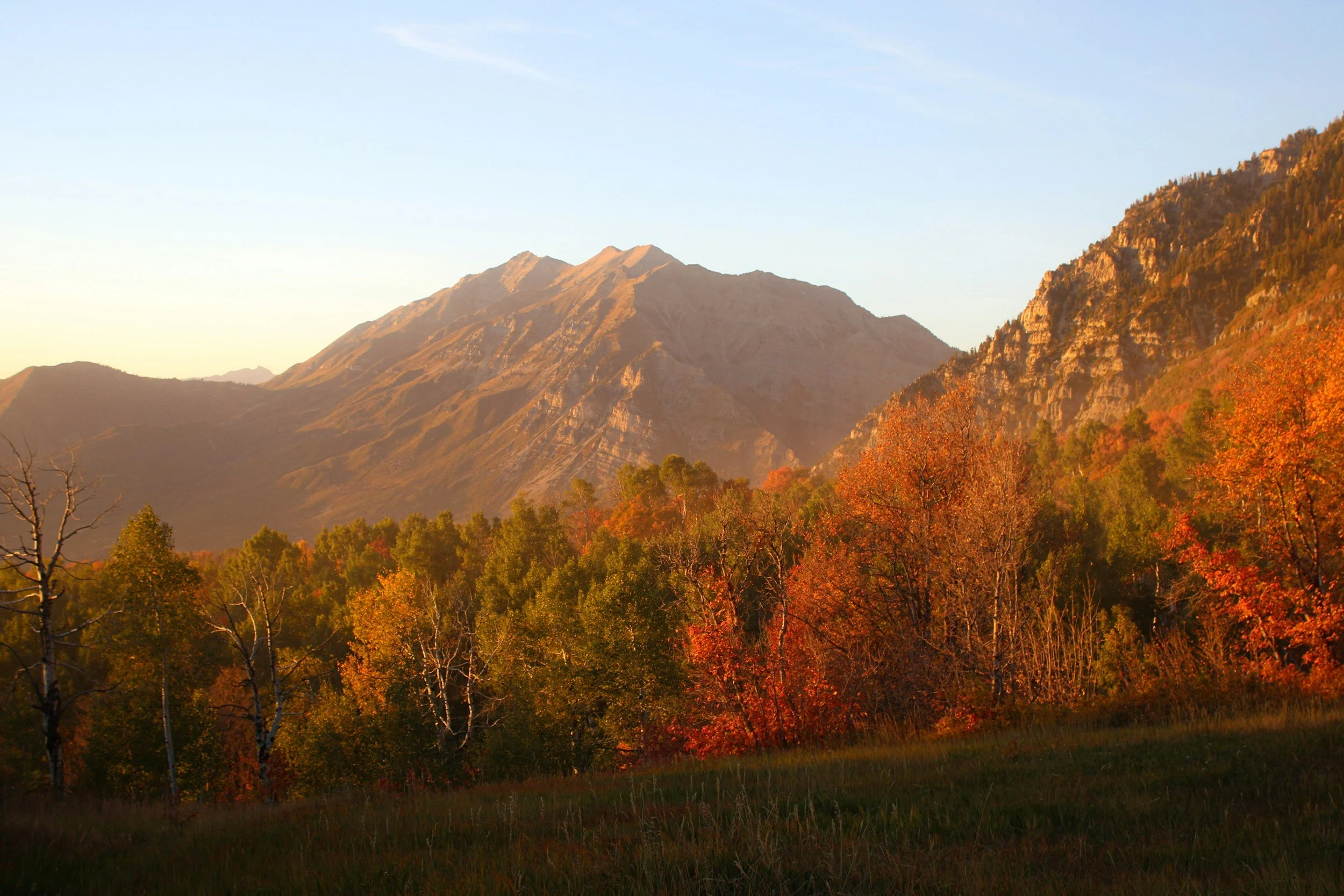
We were at Zion's Emerald Pools on a Tuesday in mid-October last year, and a family from Ohio asked us the same question we hear every fall: "Wait, is it always this easy to get a parking spot?" It wasn't luck. It was timing.
Utah's national parks had a steady year in 2025 — not a slow one, not a record-breaking one, just steady. The five major parks logged a little more than 11 million visits combined, down less than one percent from 2024. Zion came in at 4.98 million, essentially flat, while Bryce Canyon and Capitol Reef both eased back from their busier years, with most of that pullback landing in September, October, and November. For travelers, that translates into something simple: trails with more breathing room, lodging that isn't booked to the wall, and reservation systems that actually have openings when you check them.
What "Steady" Actually Means for Your Trip
A lot of travelers assume fall in Utah is a secret only locals know about. It's not really a secret — it's math. Summer is still when the bulk of visitors show up, chasing school breaks and warm-weather expectations. Once Labor Day passes, that wave rolls back, and the parks settle into a rhythm that's noticeably calmer without ever feeling empty.
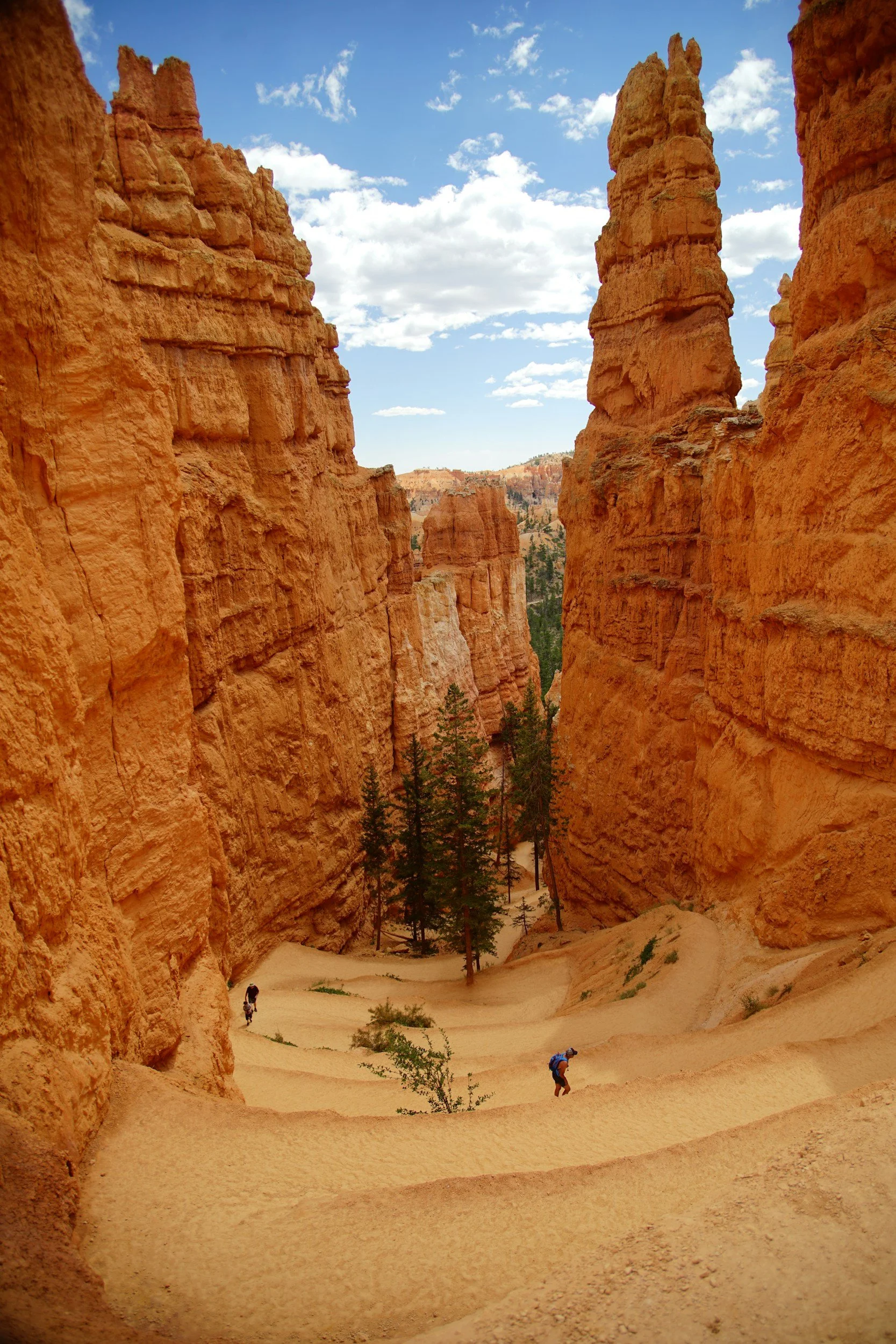
Bryce Canyon's 2025 numbers make the point well. The park saw its lowest annual total since 2015, and the dip was steepest during its already-short peak season at elevation. Practically speaking, that means the viewpoints along the Rim Trail and the switchbacks down into the amphitheater had far more room to breathe this fall than they did even a couple of years ago. Capitol Reef told a similar story, stepping back from a record 2024 with most of the softening happening exactly in the window we send families and couples: mid-September through November.
Zion is the one park where the story is different, and worth knowing about. It stayed flat rather than dipping, holding its spot as the second-most-visited national park in the country. That doesn't mean fall isn't the better call there — Zion's shoulder season still runs quieter than July and August by a wide margin — it just means Zion rewards a little more advance planning than its neighbors right now.
Calmer Trails, Not Empty Ones
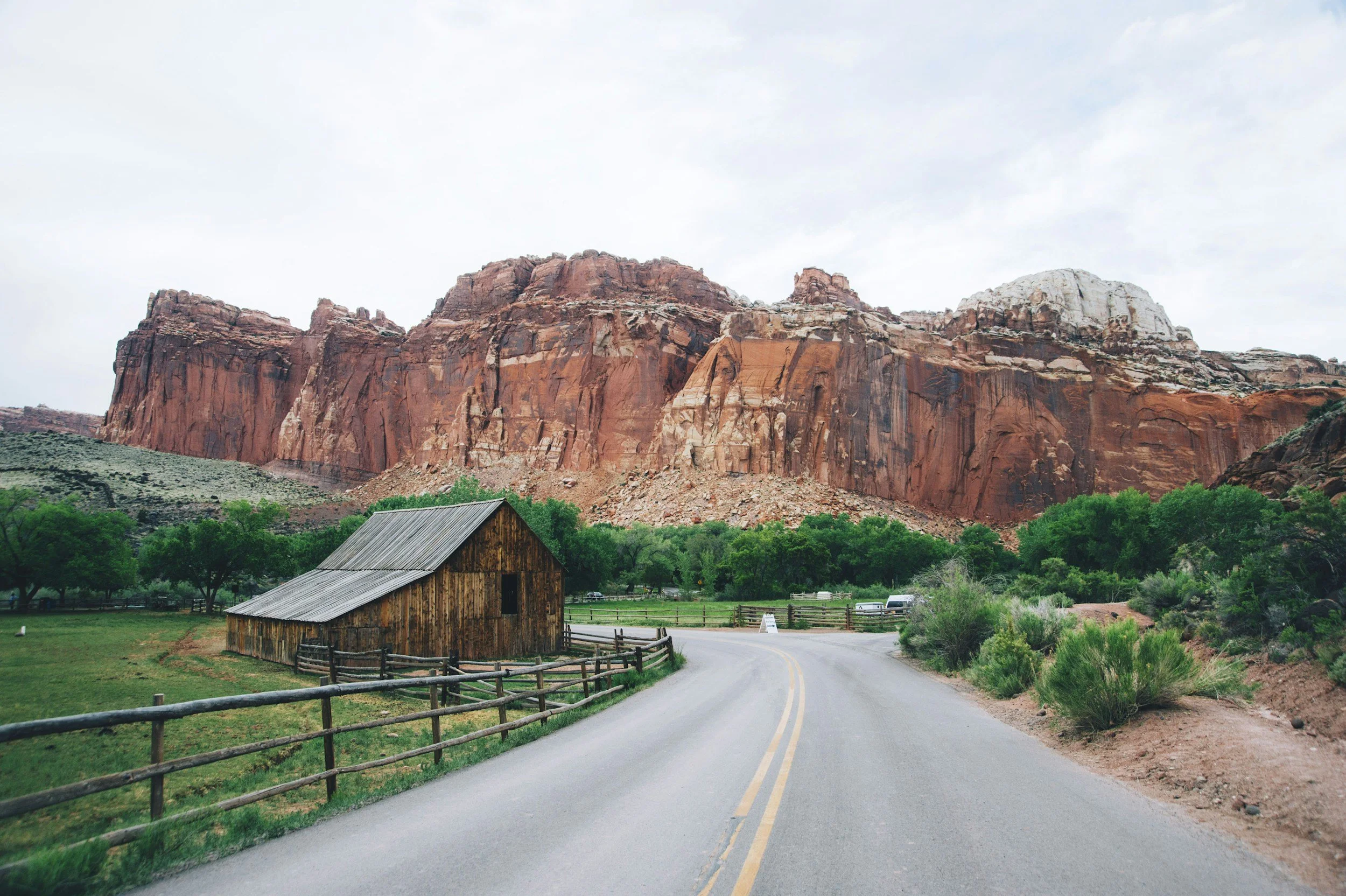
We want to be honest about what this data does and doesn't promise. Fall in Utah isn't a private park experience. It's a more comfortable one. The difference shows up in small, real ways: a shuttle that pulls up without a 45-minute wait in Zion Canyon, a picnic table at Sunset Point in Bryce that's actually open at noon, a trailhead parking lot in Capitol Reef with a few spots left at 9 a.m. instead of none.
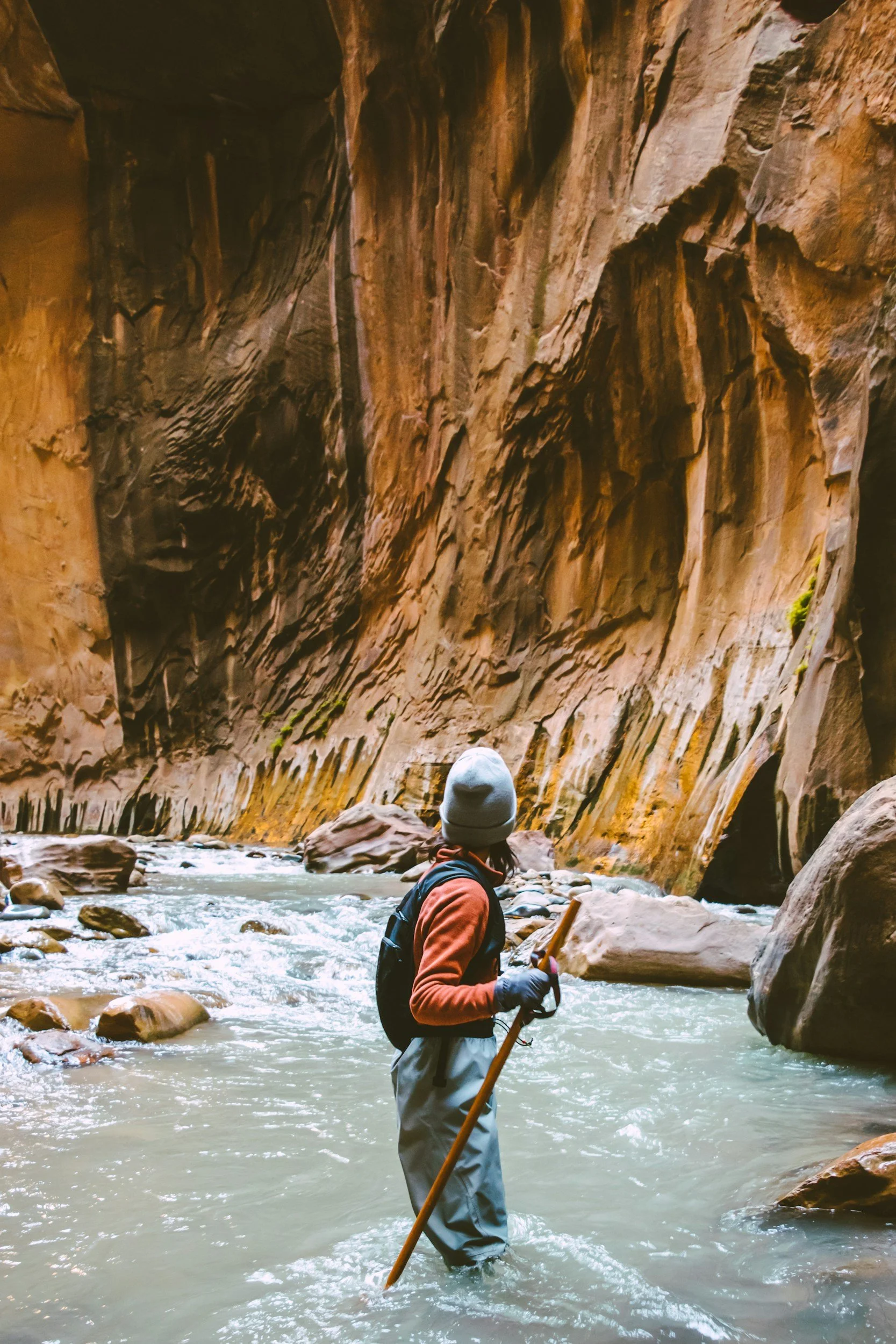
Those small margins matter more than people expect. They're the difference between a rushed morning and a relaxed one, between hiking the Narrows with warmer gear and at your own pace. When we build fall itineraries, we're not chasing solitude for its own sake — we're building in the flexibility that a calmer season actually allows, so a family can linger at an overlook or a couple can add a detour to Kolob Canyons without blowing the day's schedule.
Easier Reservations Mean More Options, Not Just Less Waiting
The other side of steady visitation is what it does for the logistics you're actually booking. Permit systems and timed-entry programs are built around peak demand, and when demand eases even slightly, availability opens up in places it doesn't during summer.
Arches was the outlier in 2025, posting a small increase in visits even as its neighbors leveled off, and the park's approach to timed entry is shifting going into 2026 — worth checking before you finalize an Arches day if that's part of your itinerary. Elsewhere, fall is when we can usually get clients into the accommodations they actually want instead of whatever's left. Glamping properties near Zion and Bryce that sell out solid from June through August tend to have real openings by late September, including the properties with the best canyon or forest views. Guided tours — a trip from Bryce to Grand Staircase-Escalante, a Hummer Tour outside Moab — are easier to book on the dates you want rather than the dates that happen to be free.
A few Planning Notes From Us
October weekends still book up, especially around fall color peaks in Fishlake National Forest and along Scenic Byway 12 — reserve those dates first, then build the rest of the trip around them.
Weekdays are noticeably quieter than weekends across every park, so if your schedule has any flexibility, that's where to spend it.
Mornings in Utah's high country can dip into the 30s in October even when afternoons reach the 70s, so layers matter more than they do in summer.
Government operations at the parks can shift with federal budget timing, as October 2025 showed with shutdown-related closures — we keep an eye on this for clients booking fall trips and build in contingencies where it makes sense.
Where This Leaves You
None of this means fall is the only good time to see Utah, or that summer travelers made a mistake. It means the data backs up something we've felt on the ground for years: the weeks between Labor Day and Thanksgiving are when the parks feel most like themselves — full of the same red rock and quiet canyons, minus the friction that builds up in peak summer. Steady visitation numbers are, in a strange way, good news for anyone still deciding when to go.
If you've been eyeing a fall trip and wondering whether now's the time to lock in dates, we'd love to help you map it out — the properties and permits that make sense are moving fast even in a calmer year, and we know which ones to grab first. Let's start your itinerary.